
Downsizer contributions and the main residence exemption
When you sell a long-held family home, you may be able to channel part of the proceeds into superannuation using the downsizer contribution rules, potentially boosting your retirement savings well beyond what the standard contribution caps would otherwise allow.
Although the concept sounds simple, the rules contain important nuances that catch people out. Here is what you need to know.
Basic eligibility conditions
To make a downsizer contribution, you must satisfy all of the following:
- You are aged 55 or over at the time of making the contribution.
- The property is located in Australia and you (or your spouse) have owned it for at least 10 years.
- The disposal is at least partially exempt from CGT under the main residence exemption — but a full exemption is not required.
- The contribution is made within 90 days of settlement, and an election form is lodged with the fund no later than when the contribution is received.
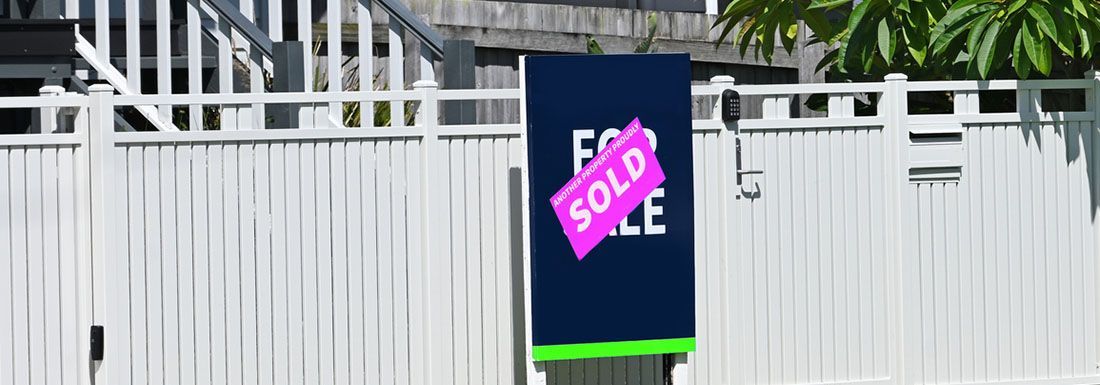
The contribution is limited to the lesser of the gross sale proceeds or $300,000 per person, meaning a couple could together contribute up to $600,000 from the one property sale. The downsizer contribution can only be used once per individual.
Importantly, while a downsizer contribution does not count toward concessional or non-concessional contribution caps, it will be included in your total superannuation balance (TSB) at 30 June. This can affect eligibility for other contribution strategies in subsequent years, so it is worth modelling the impact before you commit.
Does the sale need to be fully CGT-exempt?
This is one of the most common misconceptions. A full CGT exemption is not required.
Even if only part of the capital gain qualifies for the main residence exemption. For example, if the property was rented out for part of the ownership period, the property may still be eligible for the downsizer contribution, provided all other conditions are met.
Does the property need to be your current home?
No. The property does not need to be your principal place of residence at the time of sale.
If you lived in a property for some years and later moved out and rented it, it can still qualify, provided your ownership and residence history supports at least a partial main residence exemption.
What about pre-CGT properties?
Where a property was acquired before 20 September 1985 (the start of the CGT regime), the rules ask whether part of the gain would have been disregarded if CGT had applied. A key requirement is that the property contains a dwelling that qualified as the main residence. The disposal of vacant land will generally not satisfy this test.
Can non-owning spouses contribute?
In some cases, yes. However, the rules here are more nuanced than many people expect. A non-owning spouse may be eligible, provided the dwelling was owned by the contributing spouse (or their current or former spouse) throughout the 10-year ownership period, and all other eligibility conditions are satisfied. The ATO has published examples where this works and cases where it does not.
A spouse who never occupied the property and could not reasonably have treated it as their main residence is not eligible. If only one spouse is on the title, both partners should seek advice before assuming the non-owning spouse can also contribute (the outcome depends entirely on the specific facts of ownership and occupancy).
What happens to the money once it's in super?
A downsizer contribution is subject to the standard superannuation preservation rules. Once contributed, the funds cannot generally be accessed until you reach your preservation age (60) and retire, or until you reach age 65 regardless of employment status.
Before making a downsizer contribution, consider your future cash flow requirements carefully, particularly if you are planning to use some of the sale proceeds for other purposes such as purchasing a new property or funding living expenses.
Contact us before you contribute
Although the downsizer rules appear straightforward, there are a number of nuances, particularly around eligibility, the interaction with your total superannuation balance, and the timing requirements. Please contact us to discuss your specific situation before making a contribution.
Please contact us if you have any questions - email us or phone our team on 02 9899 3044.