
Cash is making a comeback: Is your business ready?
For years, businesses have been moving away from cash and for good reason. Digital payments are quick, traceable, and cut down on the risk of theft or counting errors. But that tap-and-go world might soon have to make room again for notes and coins.
The Government has released draft regulations that would require certain retailers to accept cash payments, ensuring Australians can still buy essential goods like groceries and fuel, even when technology fails. The change aims to stop people from being excluded when power, internet, or card systems go down, or when they simply prefer to pay in cash.
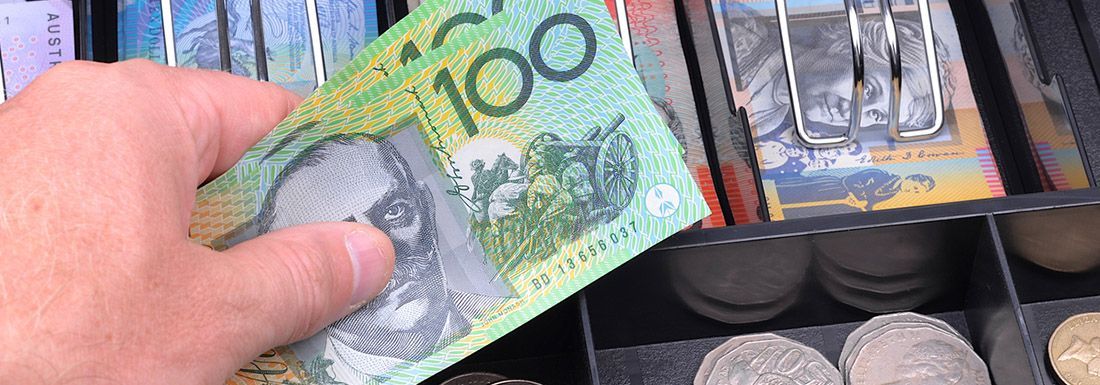
Who will need to accept cash...and who won't
The new rules are targeted and practical. They’ll apply to fuel stations and grocery retailers, including both major supermarket chains and independent operators, but only for in-person transactions under $500. That means you won’t have to accept someone paying for a $700 tyre replacement or bulk farm supplies in cash – it’s about the everyday essentials.
If your business (or franchise group) has an annual turnover of less than $10 million, you’ll be exempt. That’s good news for most small businesses such as family-run grocers, local cafés, and corner stores already managing tight margins and staffing challenges.
The regulations are expected to take effect from 1 January 2026, with a review after three years to see how the system is working in practice.
Why it's happening
The move comes as part of a broader push to maintain access and fairness in Australia’s payment system. The Government and industry groups have recognised that while most Australians are happy to tap their card or phone, around 10–15% still prefer to use cash, particularly older Australians and those in regional or remote areas.
There’s also a resilience angle: during bushfires, floods, or power outages, card networks can go offline. In those moments, cash becomes essential.
What this means for your business
For larger retailers, this change will mean dusting off cash-handling policies and reintroducing processes that many have phased out. That may include:
- Re-establishing cash floats and tills
- Staff training to handle and verify cash
- More frequent bank deposits and reconciliation procedures
For small businesses that fall under the $10 million exemption, the key step will be to document your turnover clearly so you can demonstrate that the exemption applies. We can help ensure your records and structures support that.
There may also be commercial upside. Accepting cash could attract a segment of customers who’ve drifted away as stores went digital, especially in regional areas where cash use remains strong. A small business that promotes “cash welcome” could even gain new loyal customers who value convenience and personal service.
Preparing for the change
With final regulations expected soon, it’s worth starting to plan now. Review your payment policies, assess whether you’re likely to be caught by the new rules, and budget for any setup or compliance costs.
If you’re exempt, ensure your records are watertight. If not, look for ways to streamline cash handling – for example, by using digital cash counters or smart safes to reduce errors and time spent on reconciliations.
Looking ahead
Cash isn’t going away just yet. This reform is about maintaining choice, resilience, and fairness in how Australians pay – and ensuring businesses are ready when customers want to use it.
If you’d like help assessing how these rules could affect your operations or what the exemption means for your business, get in touch with our team.
Please contact us if you have any questions - email us or phone our team on 02 9899 3044.